Skin Serums Explained: What They Are, When to Use Them & How to Layer for Maximum Results

Updated: Jul 13
If you’re serious about healthy, glowing skin, serums are non-negotiable. These powerful skincare essentials deliver high concentrations of active ingredients deep into the skin—targeting concerns like dehydration, ageing, acne, pigmentation, and dullness.
But with so many serums on the market, it’s natural to wonder:
What does a serum actually do?
Do I need more than one?
And how do I layer them correctly?
Let’s break it down—simply, clearly, and skin-expert approved.

What Is a Serum & Why Is It So Important?
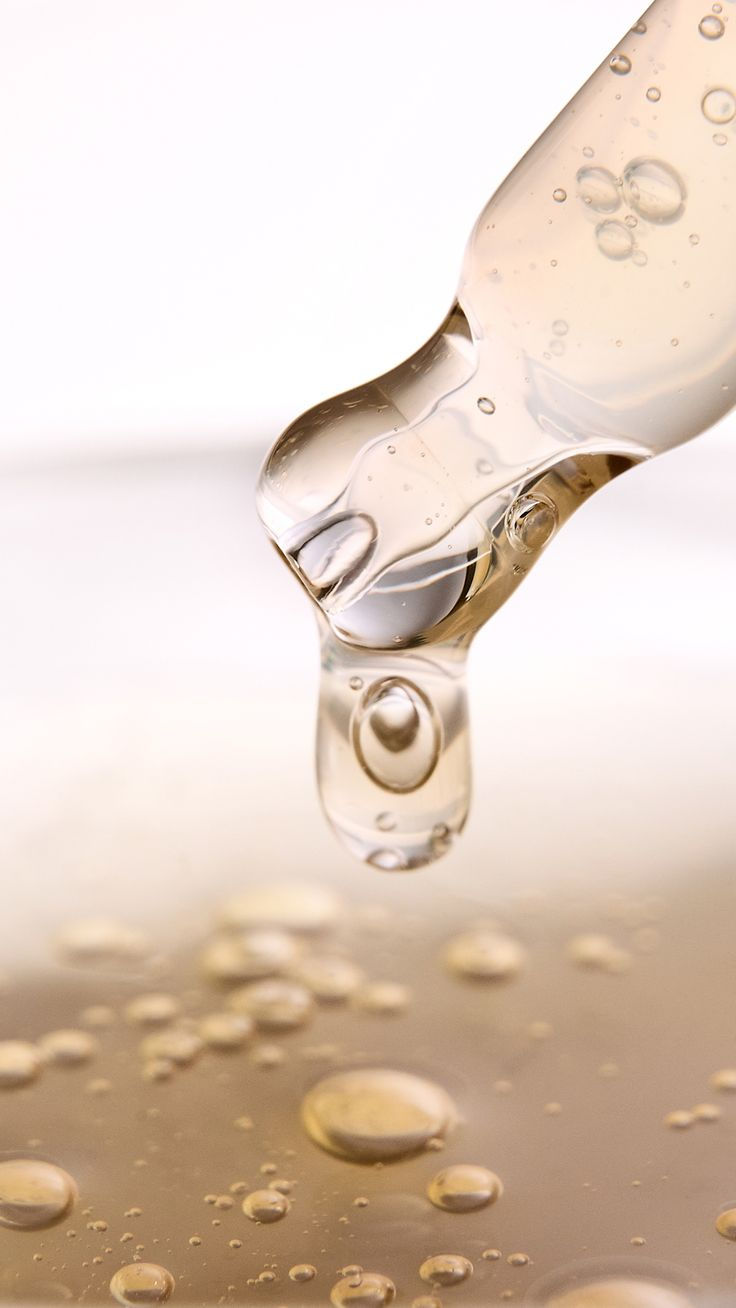
A serum is a lightweight skincare product designed to penetrate deeper than moisturisers. Thanks to their smaller molecular structure, serums deliver potent active ingredients directly where your skin needs them most.
Why Serums Work So Well:
High concentration of actives
Fast absorption
Target specific skin concerns
Boost the effectiveness of the rest of your routine
Think of serums as the treatment step—they do the heavy lifting, while moisturisers lock everything in.
When Should You Use a Serum?
Serums are typically applied after cleansing and toning, but before moisturiser or facial oils.
Using a serum consistently—morning, night, or both—can dramatically improve skin texture, tone, and resilience over time.
Why Use More Than One Serum?
Here’s a skincare truth: one serum rarely does everything.
Your skin has multiple needs—hydration, barrier support, brightness, anti-ageing—and layering compatible serums allows you to treat more than one concern at a time.
When done correctly, layering enhances results rather than overwhelming the skin.
How to Layer Serums Correctly (This Matters!)
The golden rule of skincare layering is:
Apply from thinnest to thickest texture
This ensures each product absorbs properly and performs at its best.
Step-by-Step Serum Layering Guide:
Water-Based Serums
Light, fast-absorbing
Ideal for hydration and active ingredients
Apply first
Gel or Emulsion Serums
Slightly thicker
Often target ageing, brightening, or calming
Oil-Based Serums or Facial Oils
Rich, nourishing
Seal in hydration and actives
Always applied last
💡 Pro tip: Allow each layer to absorb for 30–60 seconds before applying the next.
Water-Based vs Oil-Based Serums: What’s the Difference?
Water-Based Serums:
Lightweight and breathable
Absorb quickly
Perfect for oily, acne-prone, or dehydrated skin
Ideal for daytime use
Oil-Based Serums:
Rich and nourishing
Support the skin barrier
Lock in moisture
Best for dry, mature, or compromised skin—especially at night
Using both can be transformative when layered correctly.
Why Clean, High-Quality Serums Matter
Not all serums are created equal. Cheap fillers, synthetic fragrances, and harsh preservatives can compromise skin health—especially long-term.
That’s why choosing clean, premium skincare formulations is essential.
Why Shop Skin Serums with Salt and Light Official Australia
When you shop with Salt and Light Official Australia, you’re investing in more than skincare—you’re investing in skin integrity, transparency, and results.
What Sets Salt and Light Apart:
Premium, clean skincare formulations
Thoughtfully curated, results-driven products
Free from unnecessary fillers and harsh chemicals
Suitable for sensitive, reactive, and all skin types
Trusted Australian skincare destination
Every serum is selected to support your skin—not work against it.



Comments