How to Contour with Foundation: A Beginner's Guide to a Natural, Second-Skin Finish
- Salt and Light Official | Australia

- Jun 30
- 5 min read
Contouring has become one of the most popular makeup techniques for enhancing natural facial features, but it doesn't have to involve heavy creams, powders or dramatic lines.
One of the easiest ways to create soft, natural-looking definition is by contouring with foundation. By choosing two complementary foundation shades, you can subtly sculpt the face while maintaining a fresh, skin-like finish that's perfect for everyday wear.
Whether you're new to contouring or looking for a more effortless makeup routine, this guide will show you how to contour using foundation, where to apply each shade and how to achieve a beautifully blended finish.

Why Contouring with Foundation Looks More Natural
Traditional contour products can sometimes appear heavy or overly defined, particularly in natural daylight. Foundation offers a softer alternative by blending seamlessly into the skin, creating gentle shadows and highlights that enhance your features without looking obvious.
Many people also find foundation contouring easier to blend, making it an excellent option for beginners and those who prefer a more natural makeup look.
Some of the benefits include:
Creates soft, natural-looking definition
Blends seamlessly into the complexion
Suitable for everyday makeup
Ideal for those who prefer a fresh, skin-like finish
Easy to customise with buildable coverage
The goal isn't to change your face—it's simply to enhance the beautiful features you already have.
Choosing the Right Foundation Shades
The secret to natural contouring starts with choosing the right shades.
Your Base Shade
Select a foundation that closely matches your natural skin tone. This will become the foundation you wear across most of your face.
Your Contour Shade
Choose a second shade approximately one to two shades deeper than your natural complexion. This deeper shade creates the illusion of soft shadows where the face naturally recedes.
Optional Highlight Shade
If you'd like additional brightness, you can choose a foundation that's one shade lighter than your skin tone to highlight areas that naturally catch the light.
When selecting different shades, it's important to keep the undertone consistent. A contour shade that's too warm or too cool may appear unnatural against your complexion.

Where to Apply Your Contour Shade
Think of contouring as adding gentle shadows.
Apply your deeper foundation shade to:
Under the cheekbones
Around the temples
Along the hairline
Under the jawline
Down the sides of the nose (optional)
Using small amounts allows you to build colour gradually while maintaining a natural finish.
Where to Apply Your Lighter Foundation Shade
Your lighter or base foundation shade helps brighten the centre of the face.
Apply to:
Centre of the forehead
Under the eyes
Bridge of the nose
Centre of the chin
Cupid's bow
These areas naturally reflect light, creating balance and dimension throughout the complexion.

Blend for a Seamless Finish
Blending is what transforms contour from noticeable makeup into beautifully natural definition.
Using a dense foundation brush or a damp makeup sponge, gently blend where the two shades meet. Work in soft circular motions and avoid dragging the product across the skin.
A helpful tip is to blend upwards around the cheeks, which helps create a lifted appearance.
Take your time—the more seamless the blend, the more natural the finished result will look.
Why Lightweight Foundation Works Best
When contouring with foundation, lighter textures often produce the most natural results.
Look for formulas that offer:
Lightweight, comfortable wear
Buildable coverage
A natural, skin-like finish
Easy blendability
Breathable everyday comfort
Our 1SKIN Treatment Fusion Foundation has been designed with these qualities in mind. Its lightweight, buildable formula creates a naturally radiant complexion while blending beautifully between shades, making it ideal for soft contouring techniques.
Its paraben-free formulation and skin-like finish help achieve a polished makeup look without feeling heavy throughout the day.
Set Your Makeup Without Looking Powdery
After contouring, setting your makeup helps improve longevity while keeping shine under control.
Rather than applying powder heavily across the entire face, lightly dust translucent powder over areas that naturally become oily, such as:
Forehead
Nose
Chin
Around the mouth
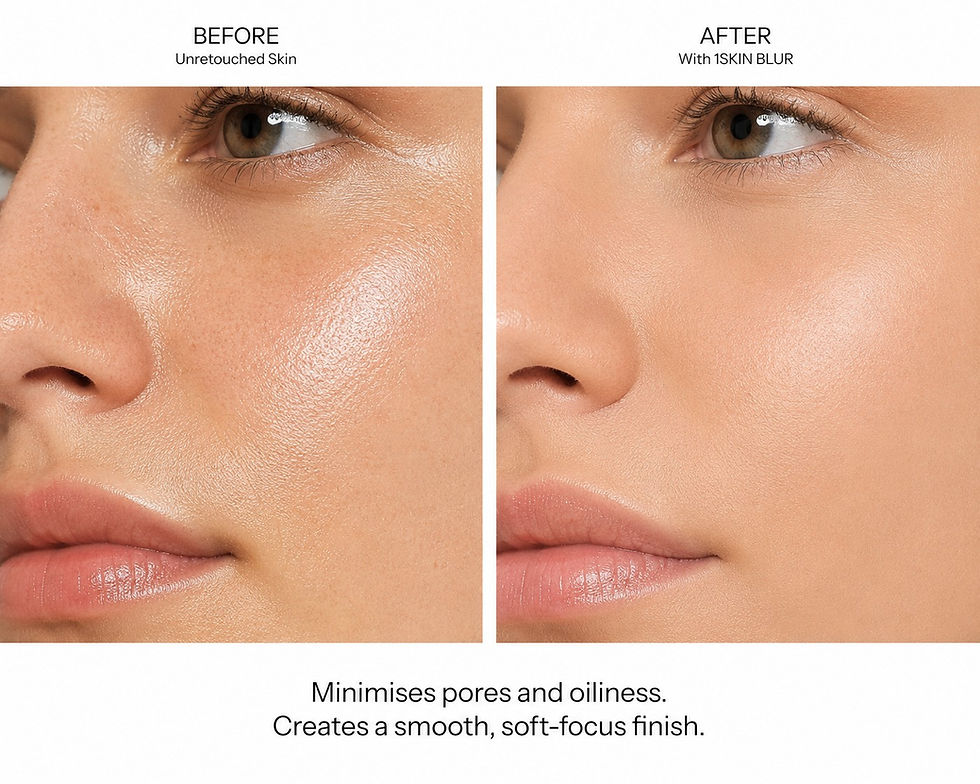
A lightweight finishing powder helps soften the complexion while allowing your contour to remain fresh and natural.
Our 1SKIN Blur Powder creates a soft-focus finish that helps reduce excess shine while maintaining a beautifully lightweight appearance, allowing your makeup to look polished rather than overly matte.

Common Contouring Mistakes
Even experienced makeup lovers can make a few common mistakes.
Choosing a Shade That's Too Dark
A contour should create subtle definition—not obvious stripes. One to two shades deeper is usually enough.
Forgetting to Blend
Sharp lines can make contour appear unnatural. Spend extra time blending for the most flattering finish.
Using Too Much Product
Less is almost always more. Start with a small amount and gradually build if needed.
Ignoring the Neck
Blending into the jawline and neck helps create a seamless transition between your face and body.
Choosing the Wrong Undertone
A contour shade should complement your natural undertones to avoid looking orange, grey or muddy.
Final Thoughts
Contouring doesn't need to be complicated.
Using foundation instead of traditional contour products creates a beautifully soft, natural finish that's suitable for everyday wear. With thoughtful shade selection, careful placement and gentle blending, you can enhance your natural features while maintaining a fresh, effortless complexion.
Finish your look with a light application of translucent powder and you'll have a polished makeup look that feels comfortable throughout the day.
Remember, makeup should celebrate your natural beauty—not cover it.
Frequently Asked Questions
Can I contour using foundation instead of bronzer?
Yes. Using a foundation that's one to two shades deeper than your natural skin tone can create soft, natural-looking contour while blending seamlessly into your base makeup.
How many shades darker should contour foundation be?
Most makeup artists recommend choosing a shade one to two shades deeper than your everyday foundation for the most natural result.
Is contouring with foundation suitable for mature skin?
Yes. Lightweight foundation formulas often create a softer finish than heavier cream or powder contour products, making them a popular choice for mature skin.
Do I need two different foundation shades?
For the most natural contour, using two complementary shades allows you to create depth and dimension while maintaining an even complexion.
Can beginners contour with foundation?
Absolutely. Foundation contouring is often easier to blend than traditional contour products, making it a great technique for beginners.
Should contour be warm or cool toned?
Choose a contour shade that complements your skin's undertone. The aim is to create soft, natural-looking shadows rather than obvious colour contrast.
How do I stop my contour looking muddy?
Use a shade that's only slightly deeper than your natural complexion, apply sparingly and blend thoroughly using a brush or damp makeup sponge.
Do I need to set my contour?
A light dusting of translucent powder can help improve wear time while maintaining a fresh, natural-looking finish.
Create a beautifully blended complexion with a soft-focus, everyday finish.


Comments